
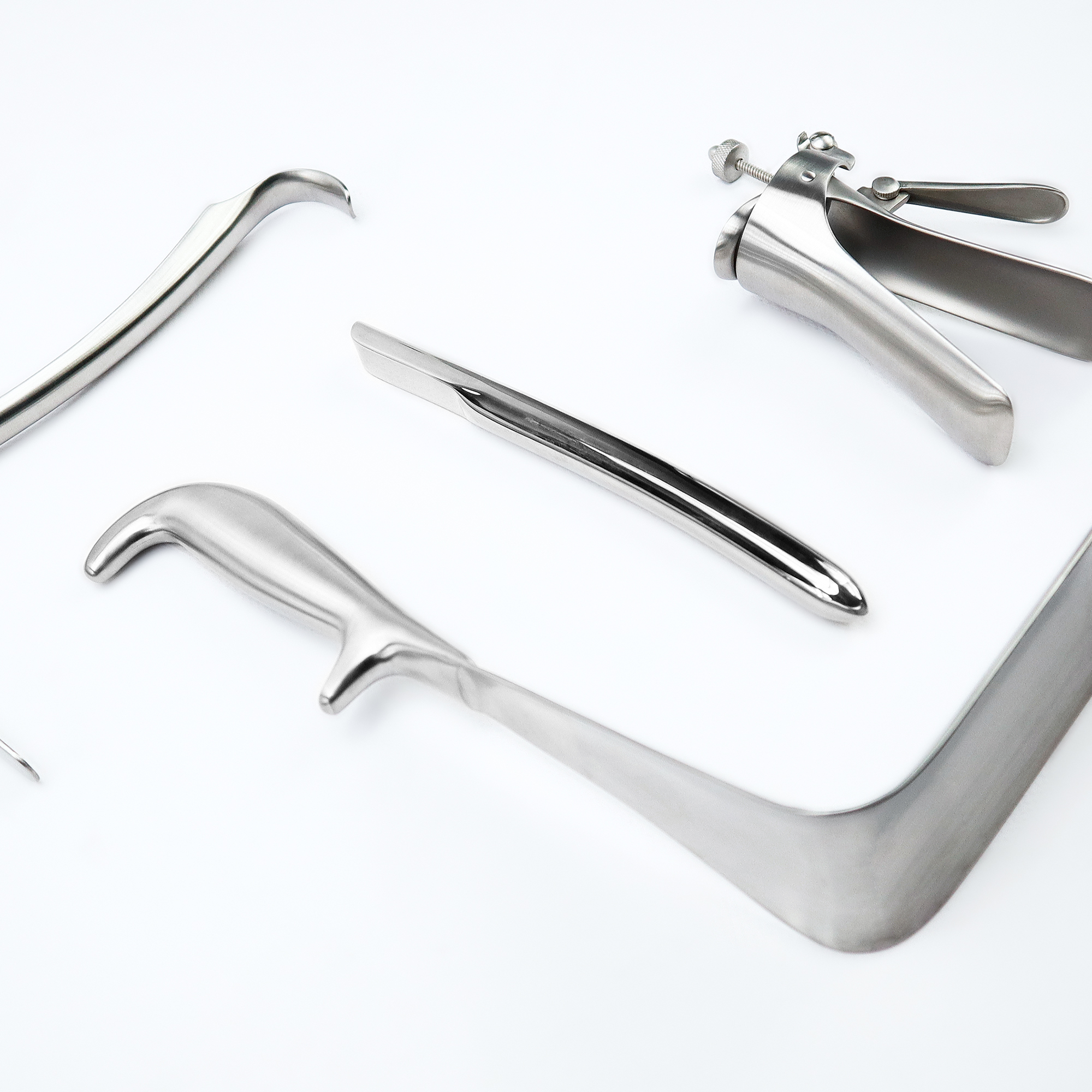
What Does a Gynecologist Do?
Gynecology focuses on the prevention, diagnosis, and treatment of conditions affecting the female reproductive system. One of the most important diagnostic procedures in modern gynecology is hysteroscopy, also known as uterine endoscopy.
What Does a Gynecologist Do?
Gynecologists support patients throughout different stages of life, providing preventive care, diagnostics, and treatment for a wide range of gynecological conditions.
- Preventive examinations and screening
- Pregnancy care and monitoring
- Diagnosis of hormonal and menstrual disorders
- Treatment of fibroids, endometriosis, and infections
- Ultrasound examinations and other diagnostic procedures
What Is a Hysteroscopy?
Hysteroscopy is an endoscopic examination of the uterine cavity. During the procedure, a specialized instrument called a hysteroscope is inserted through the cervix to allow direct visualization of the uterus.
It is used for both diagnostic and therapeutic purposes and is one of the key procedures in modern gynecology.
When Is a Hysteroscopy Performed?
- Abnormal uterine bleeding
- Evaluation of abnormal ultrasound findings
- Fertility investigations
- Suspected polyps or fibroids
- Postmenopausal bleeding
- Assessment of the uterine lining
How Does a Hysteroscopy Work?
During a diagnostic hysteroscopy, a thin hysteroscope is inserted into the uterus. Using light, a camera, and specialized fluids or gases, the uterine cavity can be expanded and examined in detail.
If abnormalities are detected, treatment can often be performed immediately during an operative hysteroscopy.
Benefits and Risks
Hysteroscopy is considered a minimally invasive procedure that provides accurate diagnosis and often immediate treatment without the need for major surgery.
- Minimally invasive procedure
- High diagnostic accuracy
- Often performed on an outpatient basis
- Short recovery time
- Ability to treat certain findings immediately
As with any medical procedure, complications such as bleeding, infection, or uterine injury may rarely occur. Overall, hysteroscopy is considered a safe and low-risk procedure.
Hysteroscopy enables precise examination of the uterine cavity and supports early diagnosis and targeted treatment of gynecological conditions.
High-quality endoscopes and instruments contribute significantly to safe and efficient procedures.
.png?ts=1753856273)
.png?ts=1753856524) Facebook
Comments (0)